
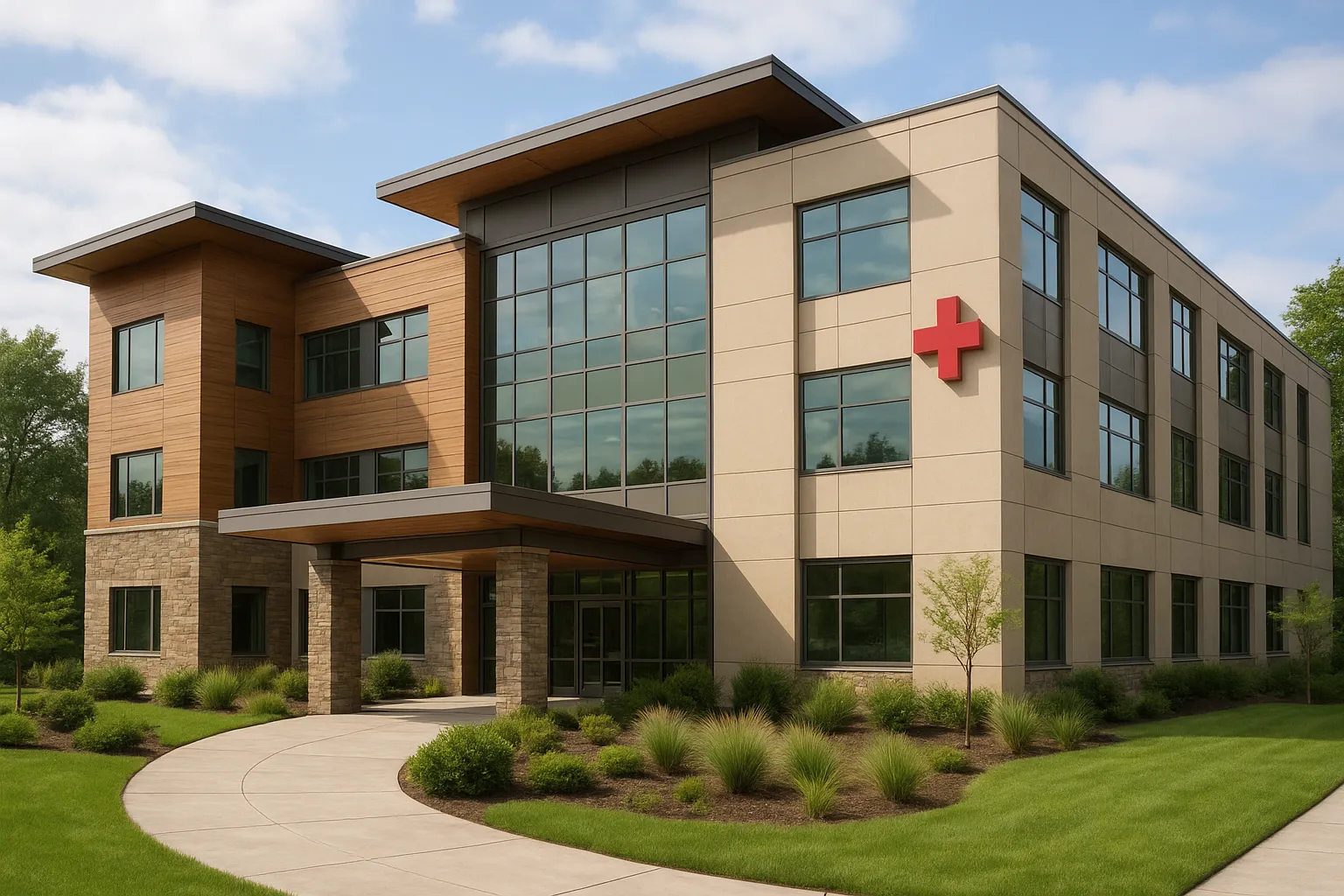
Building for Wellness: How Sustainable Materials Are Reshaping Healthcare
Think about the last time you walked into a hospital or clinic. What did you notice? The bright, sometimes harsh, overhead lights? The smell of antiseptic? The cool, impersonal feel of the walls? For decades, healthcare infrastructure was designed with one primary goal: clinical efficiency. But what if the very buildings meant to heal us were silently impacting our well-being and the health of our planet?
This is where a quiet revolution is taking place. We're starting to see a powerful shift in how we design and construct hospitals, clinics, and medical centers. The new goal? To create spaces that actively contribute to patient recovery, support the well-being of staff, and do so in a way that respects our environment. It’s not just about being "green" for the sake of a label. It's about building a healthier future, from the ground up. And it all begins with the materials we choose.
I want to walk you through the world of sustainable building materials for healthcare. We'll look at why they matter more than you might think, explore the exciting options available today, and see how they come together to create spaces that truly care for everyone inside them.
Why Go Green in Healthcare? It's More Than Just a Trend
You might wonder why the healthcare sector, with its intense focus on sanitation and complex operational needs, would lead the charge in sustainable construction. The reasons are surprisingly clear and deeply interconnected.
Direct Impact on Patient Health and Recovery
Studies have shown that a patient's environment can significantly influence their recovery process. Natural light, views of nature, and good indoor air quality can reduce stress, lower blood pressure, and even shorten hospital stays. Sustainable materials are a key part of this. By choosing paints, carpets, and adhesives with low or no volatile organic compounds (VOCs), we create cleaner indoor air. This is crucial for patients with respiratory issues and for creating a healthier space for everyone.
Operational Efficiency and Cost Savings
Hospitals are energy-intensive buildings, operating 24/7. Using sustainable materials often goes hand-in-hand with better building performance. Think about better insulation, energy-efficient windows, and materials that help manage temperature. These choices lead to lower utility bills, freeing up resources that can be redirected toward patient care and medical equipment. It’s a smart financial decision with long-term payoffs, a principle we often explore when looking at the financial planning for healthcare projects.
Environmental Stewardship as a Core Mission
At its heart, the mission of healthcare is "to do no harm." This principle shouldn't stop at the hospital doors. The healthcare industry has a sizable environmental footprint, from energy use to waste generation. By choosing sustainable, responsibly sourced, and durable materials, healthcare providers can align their infrastructure with their fundamental mission, reducing their impact on the planet and the communities they serve.
A Guide to Sustainable Building Materials for Medical Facilities
So, what does this look like in practice? Let's break down some of the most promising sustainable materials and how they're being used in healthcare settings.
Flooring That Puts People and Planet First
The floor is one of the largest surfaces in any building, and in a hospital, it needs to withstand heavy traffic, rigorous cleaning, and maintain strict hygiene standards.
- Rubber Flooring: Made from natural rubber tree latex, this is a resilient and comfortable option. It's naturally antimicrobial, slip-resistant, and soft underfoot, which reduces fatigue for staff who are on their feet all day. At the end of its life, it can often be recycled.
- Linoleum (the real stuff!): Don't confuse this with vinyl. True linoleum is made from biodegradable materials like linseed oil, cork dust, and jute. It's naturally bacteriostatic, meaning it inhibits the growth of bacteria on its surface. It's also extremely durable and comes in a wide range of colors and patterns.
- Bio-Based Tiles: Innovations are bringing us tiles made from materials like bamboo (a rapidly renewable grass) and cork (harvested from tree bark without cutting the tree down). These materials offer warmth and acoustic benefits, making them great for patient rooms and recovery areas.
Walls, Ceilings, and Surfaces: The Unsung Heroes
What goes on the walls and ceilings plays a huge role in air quality, acoustics, and the overall feel of a space.
Low-VOC Paints and Coatings
Conventional paints can off-gas harmful chemicals for years. Low-VOC and zero-VOC paints drastically improve indoor air quality, protecting vulnerable patients and creating a fresher environment. They perform just as well as their conventional counterparts, so there's no trade-off.
Acoustical Panels from Recycled Materials
Hospitals are noisy places, and noise pollution is a major source of patient stress and sleep disruption. Acoustical panels made from recycled denim, wool, or other fibers can be installed on walls and ceilings to absorb sound. This creates a much calmer, more peaceful atmosphere conducive to healing.
Gypsum Board with Recycled Content
The standard drywall used in construction can now be sourced with a high percentage of recycled content. This reduces the demand for new raw materials and the energy needed to process them, making it a simple yet effective sustainable choice for partitions and walls.
Structural and Insulation Materials: The Building's Backbone
The core structure of a building offers some of the biggest opportunities for sustainable choices. Integrating these from the very beginning is a core part of effective hospital planning and designing.
| Material | Key Features | Best Use in Healthcare |
|---|---|---|
| Cross-Laminated Timber (CLT) | A strong, prefabricated wood panel. It's renewable and stores carbon, helping to reduce the building's overall carbon footprint. | For mid-rise construction, creating a warm, biophilic aesthetic in patient wings and common areas. |
| Recycled Steel | Steel is one of the most recycled materials on earth. Using recycled steel saves immense amounts of energy compared to virgin steel. | The primary structural frame for larger hospital buildings, offering strength and durability. |
| Cellulose Insulation | Made from up to 85% recycled newspaper. It's an excellent thermal and acoustic insulator with a very low embodied energy. | Blown into wall cavities and attics to create a tight, energy-efficient building envelope. |
| Hempcrete | A biocomposite made from the inner woody core of the hemp plant mixed with a lime binder. It's lightweight, insulating, and carbon-negative. | As non-load-bearing infill walls, providing excellent moisture regulation and air quality. |
Biophilic Design: Bringing the Outside In
Biophilic design is the practice of connecting building occupants with nature. It’s a powerful tool in healthcare, and material choice is a big part of it. This approach is central to modern patient-centered hospital design principles.
- Wood and Natural Textures: Using wood on feature walls, ceilings, or in furniture provides a visual connection to nature that has been shown to lower stress levels.
- Dynamic Lighting: While not a "material," lighting systems that mimic the natural daylight cycle can regulate circadian rhythms, improving sleep and mood for patients and staff.
- Living Walls: Installing vertical gardens in lobbies or waiting areas not only improves air quality but also provides a beautiful, calming focal point.
Weighing the Options: A Quick Comparison
Let's put some of these materials side-by-side to see how they stack up against traditional choices.
| Category | Traditional Material | Sustainable Alternative | Key Benefit |
|---|---|---|---|
| Flooring | Vinyl Composition Tile (VCT) | Natural Linoleum | Biobased, bacteriostatic, and biodegradable vs. petroleum-based. |
| Insulation | Fiberglass Batts | Cellulose or Wool Insulation | High recycled content, superior sound absorption, and non-irritating. |
| Wall Finish | Standard VOC Paint | Zero-VOC Clay or Milk Paint | Improves indoor air quality, natural ingredients, no off-gassing. |
| Structure | Concrete & Virgin Steel | Cross-Laminated Timber & Recycled Steel | Renewable resource that stores carbon; recycled content reduces energy use. |
Overcoming the Hurdles: Challenges and Realistic Solutions
Adopting these new materials isn't always a straightforward path. Healthcare construction comes with unique challenges. Being aware of potential healthcare construction project delays and how to mitigate them is crucial for a successful build.
Upfront Cost Perception
It's true that some sustainable materials can have a higher initial cost. However, the focus needs to shift from just the purchase price to the Total Cost of Ownership. A more durable floor might cost more upfront but will last twice as long, saving on replacement costs down the line. Better insulation saves money on energy bills every single month. We need to look at the bigger financial picture, a topic we cover in our guide on understanding ROI for doctor-owned hospitals.
Durability and Infection Control
This is paramount. Any material used in a hospital must be able to withstand harsh, frequent cleaning with disinfectants. The good news is that many sustainable materials meet these rigorous standards. Linoleum and rubber, for example, have a long history of use in high-traffic, hygienic environments. The key is careful selection and ensuring the material specifications match the demands of the space, which is a critical part of the hospital project consultancy process.
Supply Chain and Availability
While becoming more common, some innovative materials may not be available everywhere. This requires early planning and collaboration between architects, contractors, and suppliers to source the right materials within the project timeline. This kind of strategic coordination is a key benefit of hospital project management consultancy.
The Future is Healthy: What's Next for Sustainable Healthcare Buildings?
The movement towards sustainable healthcare infrastructure is gaining speed, and the future looks bright. We're starting to see the rise of "regenerative" design—buildings that give back more than they take. Imagine a hospital that generates its own clean energy, collects and reuses rainwater, and is constructed from materials that can be safely composted or returned to the industrial cycle at the end of their life.
New certifications like the Living Building Challenge are pushing the boundaries further than ever before. The integration of smart building technology will also allow these sustainable structures to operate at peak efficiency, adjusting lighting, heating, and cooling in real-time based on occupancy. After a project is complete, a post-occupancy evaluation can measure how well these sustainable design choices are performing in reality.
Conclusion: A Prescription for Better Buildings
The choices we make in constructing our healthcare facilities have a profound ripple effect. They impact patient recovery times, staff morale, operational budgets, and the ecological footprint of an entire community. Choosing sustainable building materials isn't a niche architectural preference; it's a practical, intelligent, and responsible approach that aligns with the very purpose of healthcare. By building with materials that support human and planetary health, we create a legacy of care that extends far beyond the hospital walls. We create environments that don't just treat illness, but actively promote wellness for all.
Frequently Asked Questions (FAQs)
1. Are sustainable building materials as durable and easy to clean as traditional ones in a hospital setting?
Absolutely. In many cases, they are more durable. Materials like natural rubber flooring and linoleum are specifically chosen for their ability to withstand heavy foot traffic and aggressive cleaning protocols. They are non-porous, bacteriostatic, and designed to last for decades, making them ideal for high-performance healthcare environments.
2. Doesn't using wood in a hospital pose a fire risk?
This is a common concern, but modern mass timber products like Cross-Laminated Timber (CLT) are engineered for exceptional fire performance. In a fire, the outer layer of a thick timber beam chars, which actually insulates the inner core and protects its structural integrity for a significant amount of time, often longer than steel, which can weaken quickly under high heat. All designs must, of course, comply with a strict hospital fire safety compliance code.
3. How can we be sure that "green" materials actually improve patient outcomes?
A growing body of evidence-based design research supports this connection. Studies have consistently shown that access to natural light, views of nature, and quieter environments (all enabled by specific material choices) lead to measurable benefits, including reduced patient stress, less pain medication needed, and shorter average hospital stays.
4. Is the primary goal of using these materials to get a green building certification like LEED?
While certifications like LEED provide a great framework and recognition, they are a tool, not the end goal. The real purpose is to create a healthier, more efficient, and more resilient building for patients, staff, and the community. The certification is a nice verification of that achievement, but the core motivation is the tangible benefits these materials provide every day.
5. What's the simplest first step a small clinic can take to be more sustainable in its next renovation?
Start with paint and lighting. Switching to zero-VOC paints is a low-cost, high-impact change that immediately improves indoor air quality. Pair that with upgrading to LED lighting, which saves energy and reduces heat output. These two simple steps are affordable, make a noticeable difference, and set the stage for bigger sustainable choices in the future. For a bigger picture view, starting with a hospital feasibility study can help map out a long-term, sustainable strategy.