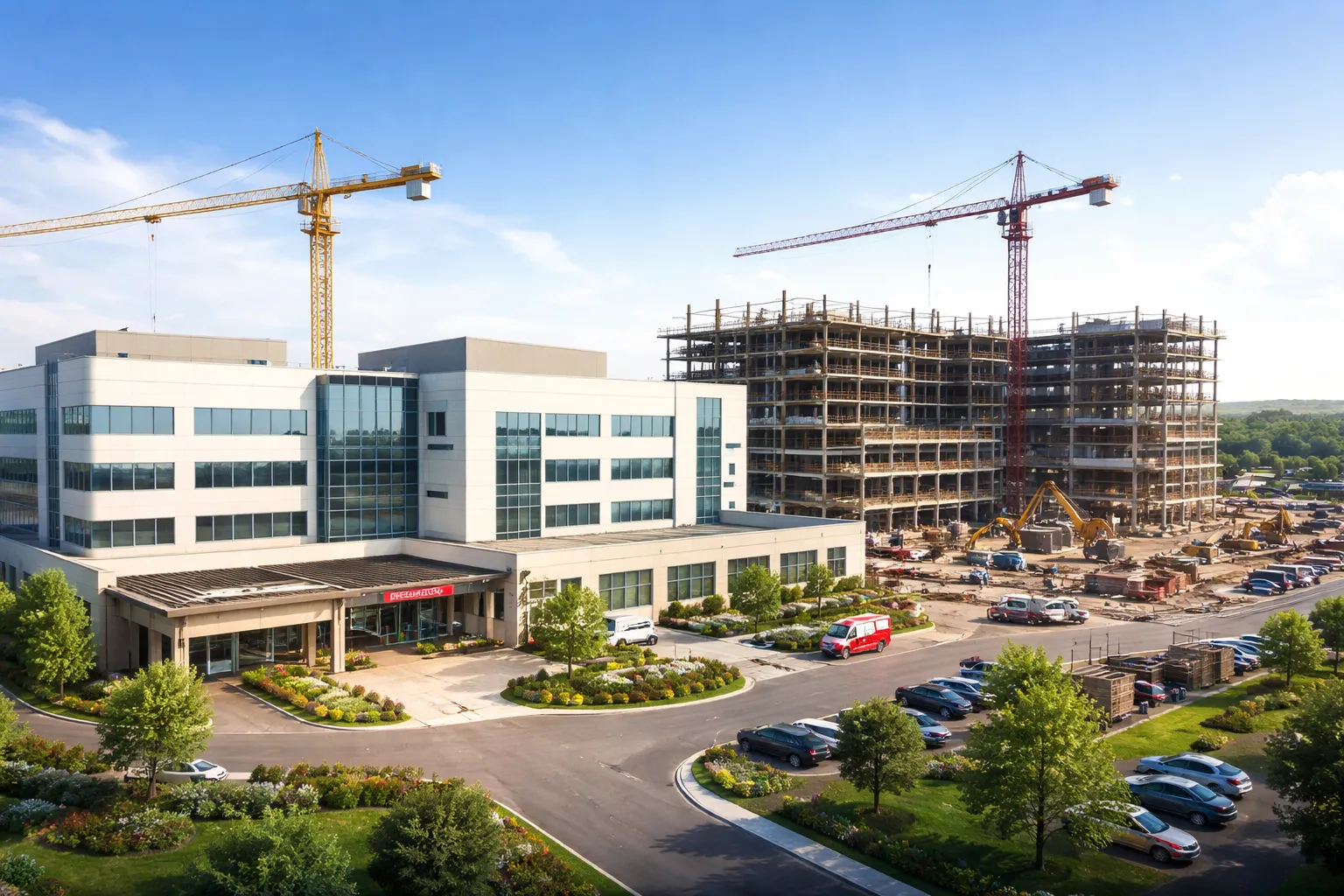

Building a Hospital in Phases: Pros, Cons, and Planning Strategy
Healthcare infrastructure development has become a critical priority for communities worldwide. As populations grow and medical technology advances, the demand for modern healthcare facilities continues to rise. However, constructing a hospital from the ground up presents significant financial and logistical challenges. This is where phased construction comes into play as a strategic approach that many healthcare organizations are now considering.
Phased hospital construction involves breaking down the entire project into smaller, manageable segments that are built and completed over time. Instead of trying to complete everything at once, this method allows healthcare organizations to spread costs, adapt to changing needs, and maintain operational flexibility throughout the development process.
Understanding Phased Hospital Construction
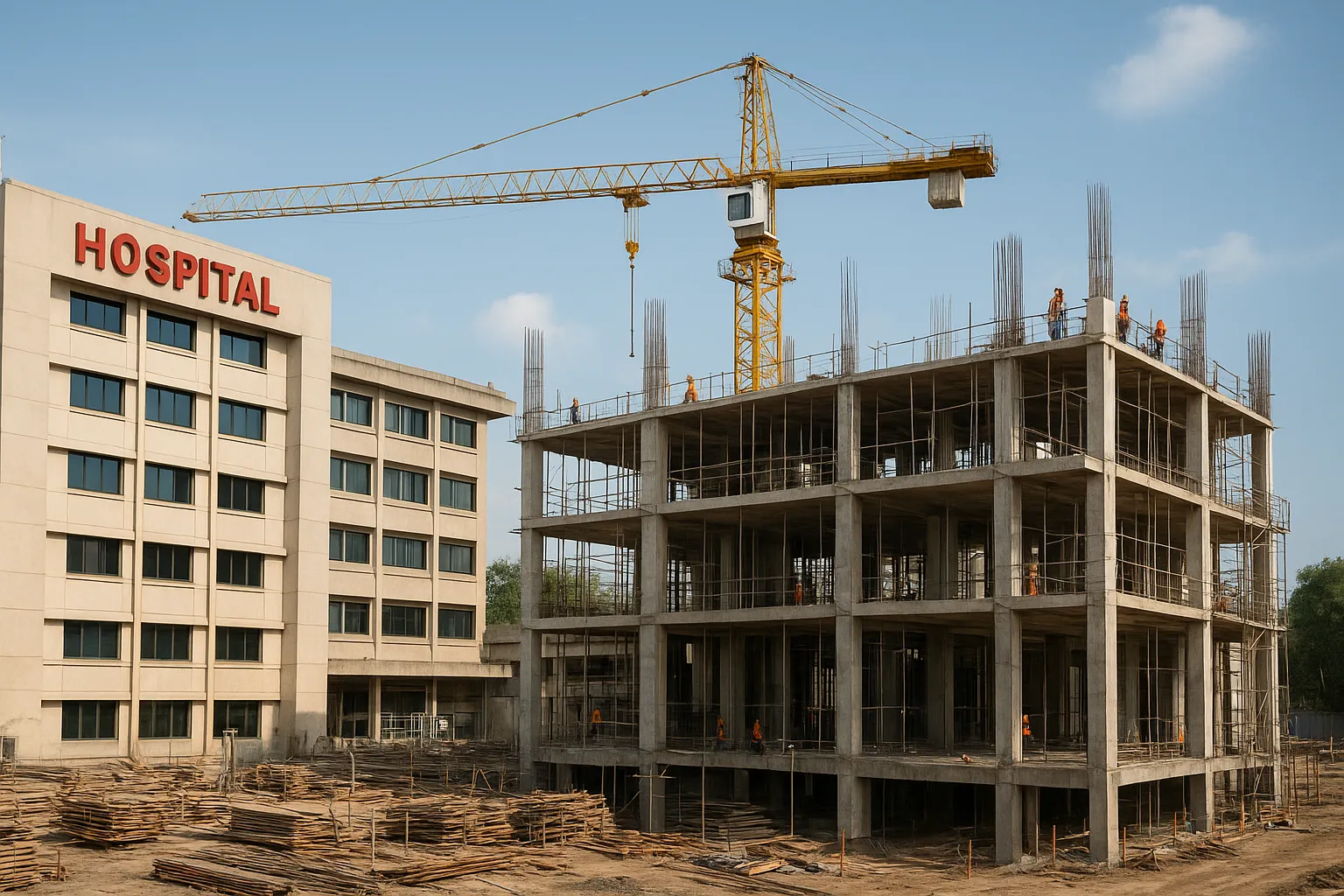
Phased construction is a strategic building approach where a hospital project is divided into distinct stages. Each phase is planned, funded, and executed separately while keeping the end vision in mind. Think of it like building a house room by room rather than all at once, except on a much larger and more complex scale.
This construction method has gained popularity among healthcare providers, especially those facing budget constraints or uncertain future needs. According to the American Hospital Association, approximately 35-40% of new hospital projects in recent years have used some form of phased development to manage costs and risks.
The typical phases might include:
- Initial shell structure and core infrastructure
- Emergency department and critical care units
- Surgical suites and diagnostic imaging centers
- Inpatient beds and specialty departments
- Outpatient services and administrative areas
Advantages of Building a Hospital in Phases
Financial Flexibility and Cash Flow Management
One of the most compelling reasons to choose phased construction is the financial benefit. Building a hospital all at once requires massive upfront capital investment, often ranging from $200 million to over $2 billion depending on size and location. Breaking this into phases allows organizations to:
- Spread capital expenditures over several years
- Generate revenue from completed phases while continuing construction
- Secure financing in smaller, more manageable amounts
- Adjust budgets based on actual costs from previous phases
Research from Healthcare Financial Management Association shows that phased projects can reduce initial financing needs by 40-60%, making projects feasible for organizations that couldn't otherwise afford them. Understanding CAPEX vs OPEX in healthcare projects becomes crucial when planning these financial strategies.
Ability to Adapt to Changing Healthcare Needs
Healthcare is constantly changing. Medical technologies that seem essential today might become obsolete in five years. Patient care models shift based on new research and reimbursement structures. Phased construction gives hospitals the flexibility to adjust their plans between phases.
For example, if telehealth adoption increases dramatically during your construction timeline, you might redesign later phases to include fewer traditional exam rooms and more telehealth consultation spaces. This adaptability is impossible with traditional single-phase construction where all decisions must be finalized upfront.
Risk Mitigation and Learning Opportunities
Each completed phase provides valuable lessons that can improve subsequent phases. Construction teams learn about the site conditions, local contractors become familiar with the project requirements, and hospital staff gain insights into what works and what doesn't in the newly built spaces.
This iterative approach helps identify and fix problems early. If a particular building system underperforms in Phase 1, you can choose different solutions for Phase 2 rather than discovering issues after the entire hospital is complete.
Minimized Operational Disruption
For hospitals expanding existing facilities, phased construction allows them to maintain operations throughout the building process. Patients continue receiving care, staff work in functional environments, and revenue keeps flowing. This is vastly different from projects that require temporary closures or major operational disruptions.
Community Impact and Immediate Benefits
Communities don't have to wait years to see improvements in their healthcare infrastructure. As each phase completes, new services become available. An emergency department might open in Phase 1, providing immediate value while the rest of the hospital is still under construction.
Disadvantages of Phased Hospital Construction
Higher Overall Costs
While phased construction offers financial flexibility, it often costs more in total than building everything at once. Industry estimates suggest phased projects can run 10-25% higher than single-phase construction due to:
- Multiple mobilization and demobilization costs for contractors
- Repeated design and permitting processes
- Inflation between phases
- Premium costs for maintaining operational facilities during construction
- Temporary connections and protective measures between phases
According to data from the Construction Industry Institute, these additional costs can add $20-50 million to a medium-sized hospital project. Learning how to avoid hospital budget mistakes is essential for managing these cost overruns.
Extended Timeline
Breaking construction into phases naturally extends the overall project timeline. What might take four years as a single project could stretch to seven or eight years when phased. This delay means communities wait longer for complete services and organizations postpone the full return on their investment.
Design and Coordination Challenges
Designing a building that will be constructed in phases requires exceptional planning. Architects and engineers must ensure that:
- Future phases can connect seamlessly to completed work
- Infrastructure systems are sized appropriately for ultimate buildout
- Temporary terminations can be easily removed later
- Each phase functions independently until others are complete
These requirements add complexity to the design process and increase the risk of coordination errors. Working with experienced professionals in hospital planning and designing can help mitigate these challenges.
Ongoing Construction Disruption
While phased construction allows hospitals to remain operational, it also means enduring construction noise, dust, traffic, and other disruptions for an extended period. Staff and patients may experience construction fatigue, and maintaining infection control standards becomes more challenging with active construction nearby.
Market and Regulatory Uncertainty
Healthcare regulations can change significantly during multi-year phased projects. Building codes, environmental requirements, accessibility standards, and healthcare-specific regulations may all evolve between phases, potentially requiring costly redesigns or upgrades to meet new standards.
Let’s Build Your Dream Hospital
Whether you’re planning a new hospital, expanding an existing facility, or upgrading your healthcare technology, Actiss Healthcare is here to guide you every step of the way. Let us help you turn your vision into reality. Contact us today for a free consultation & learn more about our services and how we can support your next healthcare project.

Essential Planning Strategies for Phased Hospital Construction
Develop a Comprehensive Master Plan
Success starts with a detailed master plan that envisions the complete facility while defining clear phase boundaries. This plan should include:
- Complete architectural layout showing all phases
- Infrastructure capacity planning for ultimate buildout
- Detailed phasing strategy with decision points
- Financial projections for each phase
- Contingency plans if phases need modification
The master plan serves as your roadmap, keeping everyone aligned on the final vision even as individual phases progress. A comprehensive feasibility study for a new hospital should be completed before developing this master plan.
Prioritize Phases Based on Need and Impact
Not all hospital departments are equally urgent. Your phasing sequence should reflect community health needs and financial realities. Many hospitals prioritize:
- Emergency services and critical care (highest community need)
- Revenue-generating departments like surgery and imaging
- Inpatient beds and support services
- Outpatient and administrative spaces
This sequencing ensures the community receives essential services quickly while the hospital generates revenue to fund later phases.
Build Infrastructure for the Future
One critical strategy is to install infrastructure systems (electrical, plumbing, HVAC, data networks) sized for the complete project during the first phase. While this increases initial costs, it prevents expensive retrofits and operational disruptions later. You want to avoid digging up parking lots or tearing into completed buildings to upgrade undersized utility systems.
Proper hospital MEP systems planning is crucial for ensuring that infrastructure can support future expansion without costly modifications.
Create Flexible Design Documents
Design documents should include detailed specifications for Phase 1 while providing conceptual designs for later phases. This gives flexibility to adapt as needs change while maintaining consistency with the overall vision. Include clear notation about what's permanent and what's temporary in each phase.
Establish Clear Decision Gates Between Phases
Before starting each new phase, conduct a formal review that assesses:
- Financial capacity and funding availability
- Changes in community health needs
- Performance of completed phases
- Regulatory or technology changes affecting design
- Market conditions and construction costs
These decision gates prevent organizations from automatically proceeding when conditions have changed, protecting against costly mistakes.
Maintain Strong Project Management Throughout
Phased projects need consistent leadership across all phases. Consider hiring an owner's representative or dedicated project management team that will remain involved from start to finish. This continuity ensures institutional knowledge is retained and the original vision stays intact as personnel changes occur over the years.
Professional hospital project management consultancy services can provide the expertise and continuity needed for successful multi-phase projects.
Communicate Transparently with Stakeholders
Keep all stakeholders informed throughout the process. This includes hospital staff, patients, community members, local government, and financial partners. Regular updates about progress, upcoming phases, and any changes to the plan build trust and maintain support for the long-term project.
Real-World Comparison: Phased vs. Single-Phase Construction
| Factor | Phased Construction | Single-Phase Construction |
|---|---|---|
| Initial Capital Required | Lower (40-60% less upfront) | Higher (full project financing needed) |
| Total Project Cost | Higher (10-25% premium) | Lower overall |
| Timeline to Completion | Longer (6-10 years typical) | Shorter (3-5 years typical) |
| Operational Disruption | Extended but manageable | Intense but shorter duration |
| Design Flexibility | High (can adjust between phases) | Low (locked in at start) |
| Risk Level | Lower financial risk, higher coordination risk | Higher financial risk, lower coordination complexity |
| Community Benefits | Immediate (partial services available early) | Delayed (nothing until complete) |
Key Considerations Before Choosing Phased Construction
Assess Your Organization's Financial Stability
Phased construction makes sense for organizations with consistent but limited capital availability. If your organization can secure full financing for a complete project at favorable rates, the cost premium of phasing might not be justified. However, if capital access is uncertain or you need to preserve cash flow, phasing becomes more attractive.
Understanding different equity vs debt financing options for doctors can help determine the best approach for your situation.
Evaluate Timeline Sensitivity
How urgently does your community need the complete facility? If critical healthcare gaps exist that need immediate addressing, the extended timeline of phased construction might be unacceptable. Conversely, if you're planning for future growth rather than current crisis, the longer timeline matters less.
Consider Your Site Conditions
Some sites work better for phased construction than others. You need adequate space to stage construction while operating completed portions. Sites with challenging access, limited staging areas, or tight urban locations may face significant challenges with phased approaches.
Proper site selection becomes even more critical when planning phased construction projects.
Review Regulatory and Financing Landscape
Healthcare financing programs, tax-exempt bonding capacity, and regulatory approval processes all affect phasing decisions. Some funding sources require complete project delivery, making phasing impossible. Others actually favor phased approaches that reduce risk. Understanding these factors upfront is critical.
Common Pitfalls to Avoid
Learning from others' mistakes can save millions of dollars and years of frustration. Common pitfalls in phased hospital construction include:
- Underestimating infrastructure needs for future phases, requiring costly retrofits
- Failing to maintain adequate contingency funds for each phase
- Poor coordination between phases creating inefficient workflows
- Losing key project personnel between phases, losing institutional knowledge
- Inadequate infection control planning during occupied construction
- Insufficient communication causing staff resistance or community confusion
The Healthcare Facilities Symposium reports that projects avoiding these pitfalls have 30% fewer change orders and complete within 15% of original budgets, while those falling into these traps often exceed budgets by 40% or more. Being aware of healthcare construction project delays and their solutions can help you avoid many of these issues.
When to Hire Professional Consultants
Given the complexity of phased hospital construction, many organizations benefit from professional guidance. Knowing when to hire a hospital project consultant can make the difference between success and costly mistakes. Expert hospital project consultancy services can help with master planning, phasing strategies, risk assessment, and coordination throughout the multi-year process.
Conclusion
Building a hospital in phases offers a practical path for healthcare organizations facing financial constraints or uncertain future needs. The approach provides financial flexibility, design adaptability, and immediate community benefits that can make ambitious projects feasible when traditional single-phase construction isn't possible.
However, phased construction isn't a universal solution. The cost premium, extended timeline, and coordination complexity require careful consideration. Success depends on thorough master planning, strong project management, adequate infrastructure investment upfront, and clear decision-making processes between phases.
The decision between phased and single-phase construction should be based on your organization's specific circumstances, including financial capacity, community needs, site conditions, and timeline requirements. For many healthcare organizations, particularly those in growing communities or with limited capital access, phased construction provides the only viable path to developing the facilities their communities need.
By understanding both the benefits and challenges, implementing solid planning strategies, and avoiding common pitfalls, healthcare organizations can successfully execute phased hospital projects that serve their communities for generations to come.
Let’s Build Your Dream Hospital
Whether you’re planning a new hospital, expanding an existing facility, or upgrading your healthcare technology, Actiss Healthcare is here to guide you every step of the way. Let us help you turn your vision into reality. Contact us today for a free consultation & learn more about our services and how we can support your next healthcare project.
Frequently Asked Questions
How long does each phase typically take in a phased hospital construction project?
Each phase typically takes 18-36 months from design through completion, depending on size and complexity. The entire multi-phase project usually spans 6-10 years total. Smaller phases like an emergency department addition might complete in 18 months, while larger phases including multiple inpatient floors could take 30-36 months.
Can I change the design of later phases based on how early phases perform?
Yes, this is one of the major benefits of phased construction. Organizations can adjust later phase designs based on operational experience from completed phases, changes in healthcare delivery models, new technologies, or shifting community needs. However, changes must work within the constraints of the master plan and existing infrastructure.
What happens if funding isn't available when it's time to start the next phase?
Projects should be designed so each phase can function independently if necessary. If funding becomes unavailable, the project can pause after any phase with a complete, operational facility. Organizations should include this contingency in their master planning, ensuring each phase provides value even if subsequent phases are delayed or cancelled.
How do you maintain infection control with construction happening next to operating hospital areas?
Hospitals implement strict infection control construction protocols including sealed barriers, negative air pressure in construction zones, HEPA filtration, dedicated construction access routes, and extensive air quality monitoring. The project team typically includes an infection control risk assessment (ICRA) specialist who reviews all activities and ensures patient safety throughout construction.
Is phased construction only suitable for large hospital projects or can smaller facilities use this approach?
Phased construction works for projects of various sizes, though the approach is most common for medium to large hospitals (100+ beds). Smaller facilities can use phasing for additions or renovations, but very small projects (under $50 million) may not justify the added complexity and cost premium. The decision should be based on financial capacity and timeline needs rather than absolute project size.