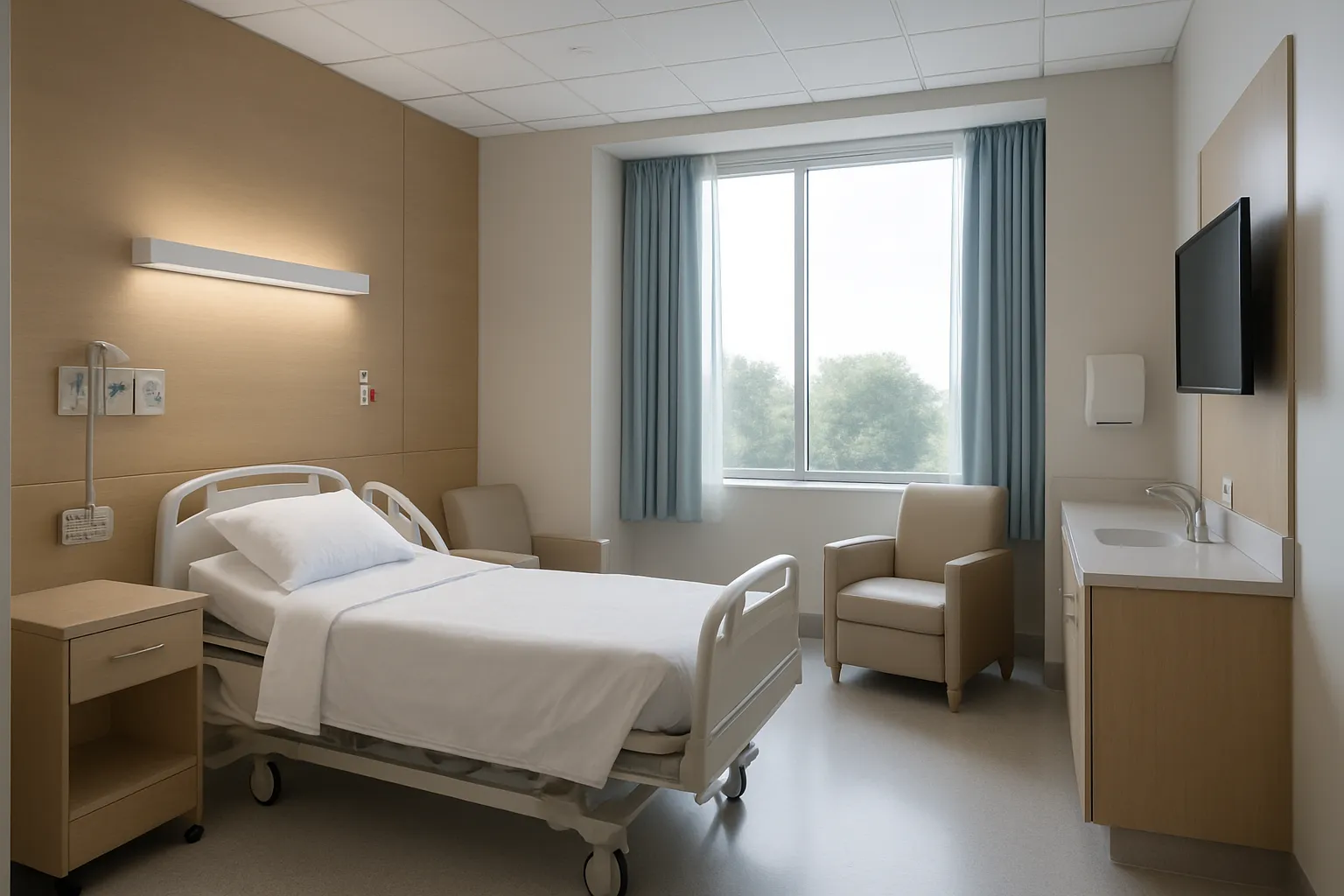

Hospital Interior Design Trends: Beyond Aesthetics to Functionality
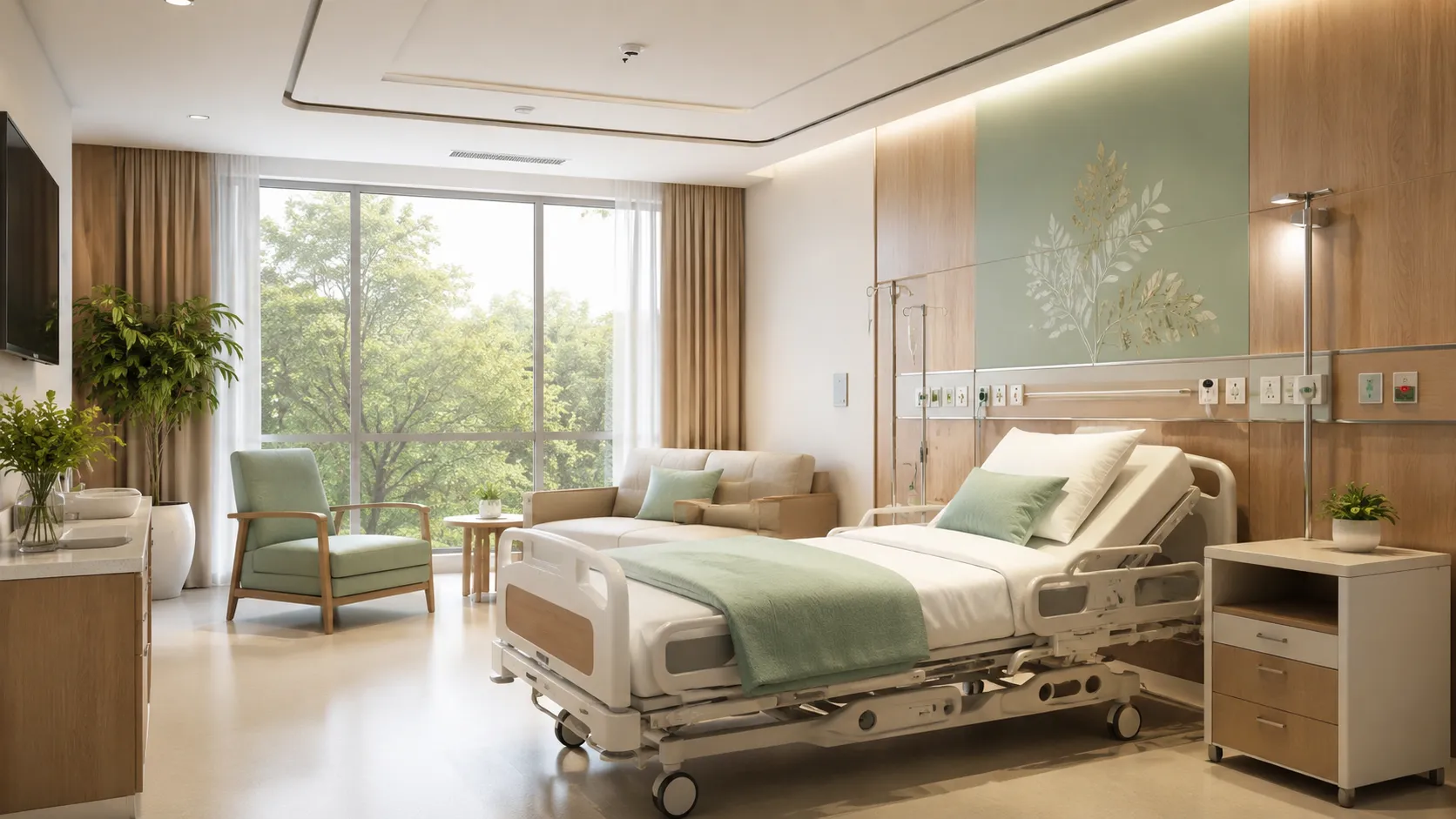
Walk into any modern hospital today, and you'll notice something different. Gone are the cold, sterile corridors that once defined healthcare spaces. Instead, you'll find warm colors, natural light streaming through large windows, and spaces that actually feel... well, human. But here's the thing – these changes aren't just about making hospitals look pretty. There's serious science and strategy behind every design choice.
Hospital interior design has come a long way from the days when function meant nothing more than "easy to clean" and "fits the equipment." Today's healthcare spaces need to work harder than ever before. They must support healing, reduce stress, improve staff efficiency, prevent infections, and yes, still look good while doing all of that.
Why Hospital Design Matters More Than You Think
Let me ask you something: have you ever noticed how you feel different in different spaces? A cramped, windowless room makes you anxious. A bright, open space lifts your mood. Now imagine you're sick or injured, and you're stuck in one of these environments for days or even weeks. The space around you suddenly becomes incredibly important.
Research shows that well-designed hospital spaces can actually reduce patient recovery time, decrease pain medication needs, and lower stress levels for both patients and staff. We're talking about real, measurable health outcomes here – not just nice-to-haves.
The Shift from Clinical to Comfortable
For decades, hospitals focused almost exclusively on clinical efficiency. Everything was white, hard-surfaced, and institutional. The thinking was simple: keep it clean, keep it sterile, get patients in and out. But we've learned that this approach actually works against healing.
What Changed?
Several factors pushed hospital design in a new direction:
- Growing evidence about the connection between environment and healing
- Increased competition among healthcare providers
- Patient satisfaction scores becoming tied to reimbursement
- Recognition of staff burnout and retention issues
- Advances in materials that are both comfortable and sanitary
Current Trends Shaping Hospital Spaces
Biophilic Design: Bringing Nature Inside
You know that feeling you get when you step outside after being cooped up indoors all day? That's what biophilic design tries to capture. This approach brings natural elements into hospital spaces through plants, natural materials, water features, and views of nature.
But it's not just about sticking a few potted plants in the lobby. Smart hospitals are creating healing gardens, installing living walls, using wood and stone finishes, and ensuring patient rooms have views of greenery. Studies have shown that patients with window views of nature recover faster and need less pain medication than those staring at brick walls.
Single-Patient Rooms: Privacy Meets Safety
Remember shared hospital rooms? They're quickly becoming a thing of the past. Single-patient rooms have become the standard in new hospital construction, and for good reason.
| Benefit Category | Impact |
|---|---|
| Infection Control | Reduced cross-contamination between patients |
| Patient Privacy | Better dignity and comfort for patients and families |
| Sleep Quality | Less disruption from roommate activities and visitors |
| Family Involvement | Space for family members to stay and participate in care |
| Staff Efficiency | All supplies and equipment in one accessible location |
Flexible Spaces That Adapt
Healthcare needs change. New technologies emerge. Patient populations shift. Smart hospital design accounts for this by creating flexible spaces that can adapt over time without massive renovation.
Think modular walls, standardized room sizes that can serve multiple purposes, and infrastructure that supports easy technology updates. Some hospitals are even designing "acuity-adaptable" rooms that can change from general care to intensive care as a patient's condition changes – without moving the patient at all. This approach to designing for growth ensures facilities remain relevant for decades rather than becoming obsolete in just a few years.
Technology Integration Done Right
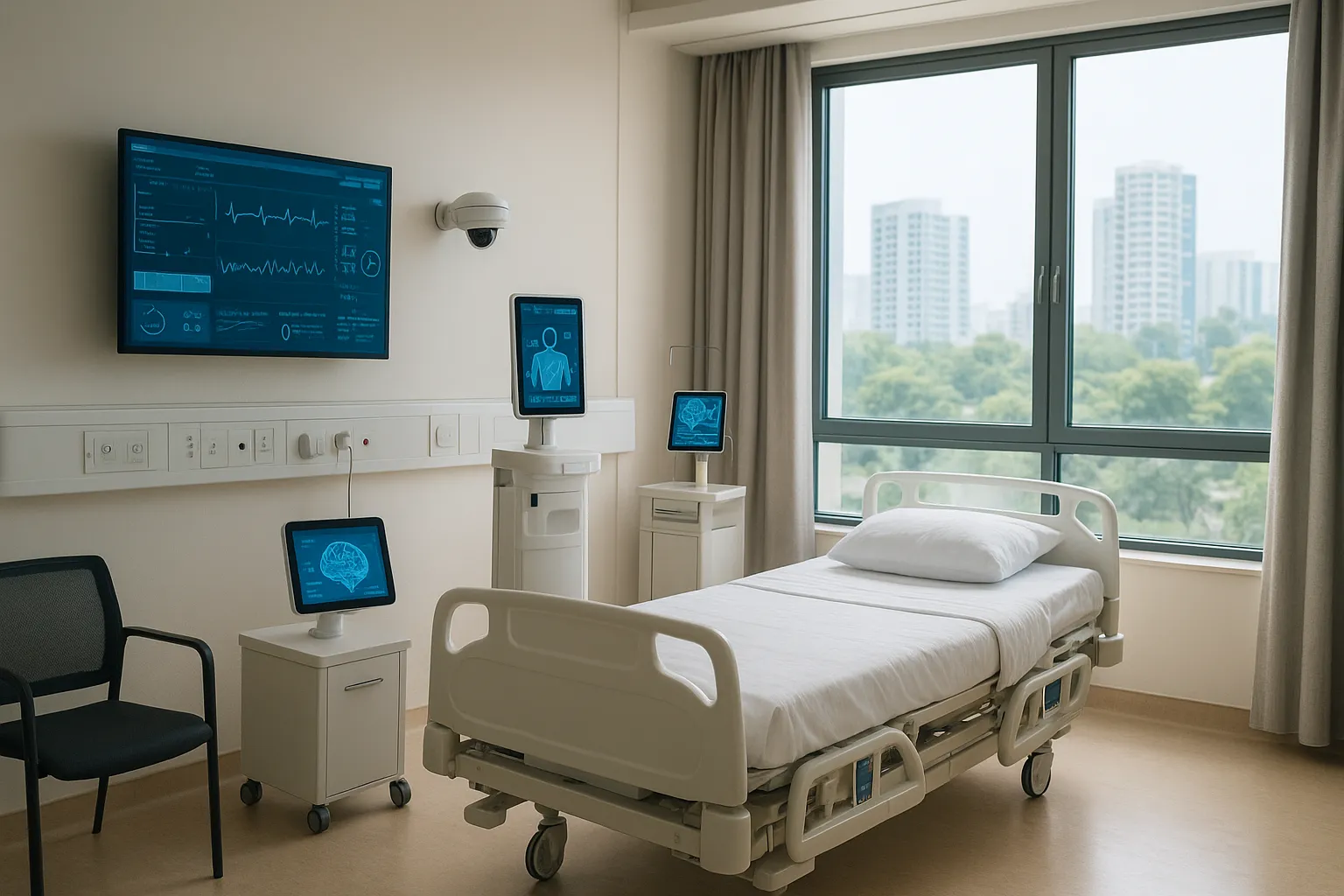
Technology in hospitals is nothing new, but how it's integrated into the physical space has changed dramatically. The goal isn't to cram in as much tech as possible – it's to make technology work seamlessly within the healing environment.
Smart Rooms and Patient Control
Modern patient rooms give individuals more control over their environment. Tablets or bedside controls let patients adjust:
- Lighting levels and color temperature
- Room temperature
- Window shades
- Entertainment options
- Communication with nurses and staff
This sense of control reduces anxiety and helps patients feel less helpless during their stay.
Telemedicine Spaces
The rise of telehealth has created a need for dedicated telemedicine consultation rooms. These spaces need proper lighting, acoustics, and camera placement to ensure clear communication between patients, on-site staff, and remote specialists. Integrating these technologies effectively requires expertise in healthcare technology planning from the earliest design stages.
Design for Staff Wellness
Here's something people often forget: staff spend far more time in hospitals than patients do. Burned-out, stressed nurses and doctors can't provide great care, no matter how nice the patient rooms look.
Staff Respite Areas
Progressive hospitals are creating dedicated respite spaces where staff can decompress. These aren't just break rooms – they're carefully designed quiet zones with comfortable seating, natural light, and calming colors. Some include outdoor access, meditation spaces, or even nap pods.
Efficient Workflows Through Design
Good hospital design reduces the physical strain on staff by minimizing unnecessary walking and creating logical workflows. This includes:
- Decentralized nursing stations closer to patient rooms
- Strategic placement of supply rooms and medication stations
- Clear sightlines from nursing stations to patient rooms
- Height-adjustable work surfaces to prevent repetitive strain
Let’s Build Your Dream Hospital
Whether you’re planning a new hospital, expanding an existing facility, or upgrading your healthcare technology, Actiss Healthcare is here to guide you every step of the way. Let us help you turn your vision into reality. Contact us today for a free consultation & learn more about our services and how we can support your next healthcare project.

Safety and Infection Control Built In
The COVID-19 pandemic put a spotlight on hospital infection control like never before. But smart hospitals were already building safety into their physical design long before 2020.
Airflow and Ventilation
Proper ventilation isn't just about comfort – it's a critical safety feature. Modern hospitals use sophisticated HVAC systems that create negative pressure rooms for isolation, ensure proper air changes per hour, and filter out airborne pathogens. Getting MEP systems planning right from the start prevents costly retrofits and ensures patient safety.
Touchless Technology
From door openers to faucets, soap dispensers to light switches, reducing touch points helps prevent disease transmission. But the best implementations don't feel clinical or cold – they're intuitive and blend into the overall design.
Material Choices Matter
Surface materials in hospitals now need to check multiple boxes:
| Material Property | Why It Matters | Examples |
|---|---|---|
| Antimicrobial | Prevents bacterial growth | Copper-infused surfaces, antimicrobial paint |
| Easy to Clean | Maintains hygiene standards | Non-porous flooring, seamless wall coverings |
| Durable | Withstands heavy use and cleaning | Commercial-grade vinyl, impact-resistant materials |
| Comfortable | Supports healing environment | Textured fabrics, warm wood-look finishes |
Lighting: The Unsung Hero of Hospital Design
If there's one element that dramatically affects how a hospital feels, it's lighting. And we're not just talking about making sure people can see – lighting affects our circadian rhythms, mood, and even pain perception.
Circadian Lighting Systems
Your body has an internal clock that responds to light. Disrupt this clock, and you'll experience sleep problems, mood issues, and slower healing. Circadian lighting systems change color temperature and intensity throughout the day to mimic natural sunlight patterns.
In the morning, lights emit cooler, bluer tones that promote alertness. As evening approaches, they shift to warmer, amber tones that encourage relaxation and sleep. This simple change can dramatically improve patient sleep quality and recovery.
Task Lighting and Flexibility
Different activities need different lighting. Reading requires bright, focused light. Watching TV works better with softer ambient light. Sleeping demands darkness. Modern patient rooms include multiple lighting zones that can be controlled independently.
Wayfinding: Getting People Where They Need to Go
Have you ever been lost in a hospital? It's frustrating when you're healthy and absolutely miserable when you're sick or worried about a loved one. Good wayfinding design reduces stress and improves the overall experience.
Beyond Just Signage
Effective wayfinding uses multiple strategies:
- Color coding different departments or floors
- Clear, consistent signage with symbols that cross language barriers
- Architectural landmarks that help people orient themselves
- Digital directories and interactive maps
- Floor patterns and wall graphics that create visual pathways
Family-Centered Design
Family members aren't just visitors – they're part of the care team. Modern hospital design recognizes this by creating spaces that accommodate and support families. This patient-centered approach acknowledges that healing happens best when patients feel supported by their loved ones.
In Patient Rooms
Patient rooms now typically include comfortable sleeper chairs or pull-out beds, space for personal belongings, and areas where families can spend time without crowding the clinical space.
Family Zones and Amenities
Look for dedicated family lounges, quiet rooms for difficult conversations, playrooms for children, and even showers and kitchenettes for families staying long-term.
Specialized Spaces for Specific Needs
Emergency Departments
ED design has evolved to handle both high acuity and high volume while keeping patients and families informed and comfortable during long waits. This includes separate fast-track areas for minor injuries, behavioral health spaces with safety features, and decontamination areas that can be activated quickly.
Birthing Centers
Maternity spaces have shifted from clinical delivery rooms to home-like suites where women can labor, deliver, and recover in the same room. These spaces often include features like birthing tubs, mood lighting, and comfortable areas for partners and support people.
Pediatric Areas
Kids aren't just small adults – they need spaces designed specifically for them. Pediatric areas use bright colors, whimsical themes, play spaces, and child-sized furniture. But the best designs avoid being overly childish, recognizing that many pediatric patients are teenagers who need age-appropriate spaces.
Sustainable Design in Healthcare
Hospitals are energy hogs – they run 24/7, need extensive climate control, and use massive amounts of water. But sustainable design isn't just good for the planet; it also creates healthier spaces and reduces operating costs.
Green Building Strategies
- Energy-efficient HVAC and lighting systems
- Water conservation through low-flow fixtures and rainwater harvesting
- Use of recycled and locally sourced materials
- Green roofs that provide insulation and manage stormwater
- Natural daylighting that reduces energy use and improves wellbeing
Selecting the right sustainable building materials requires balancing environmental impact, durability, maintenance needs, and initial costs against long-term savings.
The Role of Art and Music
Art in hospitals isn't just decoration – it's therapy. Studies show that art can reduce stress, distract from pain, and create positive associations in what's often a scary environment.
But not just any art works. Hospitals are choosing nature scenes, abstract pieces with calming colors, and rotating exhibitions of local artists' work. Music programs are also becoming common, with live performances in lobbies and piped-in music that patients can control in their rooms.
Challenges in Implementing New Design Trends
Let's be real – transforming hospital design isn't easy. Healthcare organizations face several hurdles:
Budget Constraints
Hospitals operate on tight margins, and renovation budgets compete with medical equipment, technology upgrades, and staffing needs. The key is demonstrating return on investment through improved patient outcomes, staff retention, and competitive advantage. Understanding how to avoid common budget mistakes can save millions during the planning phase.
Regulatory Requirements
Healthcare facilities must meet strict codes for fire safety, infection control, accessibility, and more. Design teams need deep knowledge of these requirements to create spaces that are both compliant and beautiful.
Balancing Multiple Stakeholders
Patients, families, nurses, doctors, administrators, and facilities teams all have different priorities. Successful design requires bringing these groups together and finding solutions that work for everyone. This is where experienced hospital planning and design professionals become invaluable.
Looking Ahead: The Future of Hospital Design
What's next for hospital interiors? Several trends are emerging:
Modular and Prefabricated Construction
Building patient rooms and other hospital modules off-site, then assembling them on location, can reduce construction time, minimize disruption to operations, and ensure consistent quality.
Virtual Reality and Digital Twins
Designers are using VR to let stakeholders experience spaces before they're built, making it easier to identify issues and get buy-in. Digital twins – virtual replicas of physical spaces – help facilities managers plan maintenance and understand how spaces are actually used.
Artificial Intelligence and Predictive Design
AI is being used to analyze patient flow, predict capacity needs, and even suggest design modifications based on real-time data about how spaces perform.
Community Integration
Hospitals are becoming community hubs, not just places you visit when you're sick. Expect to see more integration of wellness centers, educational spaces, and community gathering areas that blur the line between hospital and neighborhood amenity.
Conclusion
Hospital interior design has moved far beyond making spaces look nice. Today's healthcare environments are carefully crafted to support healing, improve safety, enhance staff wellbeing, and create positive experiences for patients and families. From the colors on the walls to the air flowing through the vents, every element serves a purpose.
The best hospital designs recognize that patients are people, not just cases. They understand that stressed, exhausted staff can't provide great care. They balance the needs of clinical function with human comfort. And they build in flexibility to adapt as medicine and technology continue to change.
As we look to the future, hospital design will only become more important. With increasing emphasis on patient experience, value-based care, and holistic wellbeing, the physical environment will play a bigger role than ever in health outcomes. The hospitals that get design right won't just look different – they'll deliver better care and better experiences for everyone who walks through their doors.
Frequently Asked Questions
How does hospital interior design actually affect patient recovery?
Research shows that well-designed hospital environments can reduce patient recovery time by up to 15-20%. Natural light exposure helps regulate sleep cycles, which are critical for healing. Views of nature have been proven to reduce pain medication needs. Colors and artwork can lower stress hormones. Even simple things like reducing noise through acoustic design can improve sleep quality, which directly impacts immune function and healing rates. The physical environment isn't a magic cure, but it's a powerful support tool for the body's natural healing processes.
Are single-patient rooms really worth the extra cost?
Yes, and here's why: while single rooms cost more to build initially, they save money over time through reduced infection rates (which means shorter stays and fewer readmissions), better staff efficiency (everything is in one place), and improved patient satisfaction scores (which affects reimbursement). Studies show infection rates can drop by 50% or more in single-patient rooms compared to shared spaces. When you factor in the cost of treating hospital-acquired infections, single rooms often pay for themselves.
What makes pediatric hospital design different from adult spaces?
Kids experience hospitals differently than adults. They're often more frightened and less able to understand what's happening to them. Pediatric design uses bright colors, playful themes, and interactive elements to reduce fear and create distraction from pain and procedures. But it also needs to be age-appropriate – a 3-year-old and a 16-year-old need very different environments. The best pediatric spaces include play areas, family accommodations (since parents rarely leave), and design elements that give kids some sense of control and normalcy.
How are hospitals addressing mental health through design?
Mental health units require special design considerations. They need to be safe (no ligature points where patients could harm themselves) while still feeling therapeutic rather than institutional. This means things like tamper-proof fixtures, shatter-resistant materials, and controlled access points – but also natural light, calming colors, access to nature views, and spaces for therapy and socialization. The goal is creating an environment that supports healing without feeling like a prison. Many newer facilities are moving away from the traditional locked ward model to create more home-like, therapeutic environments.
Can older hospitals retrofit modern design principles without complete renovation?
Absolutely. While new construction offers the most flexibility, existing hospitals can make meaningful improvements through strategic updates. Start with high-impact, lower-cost changes like updating lighting to circadian systems, adding artwork and wayfinding improvements, creating small staff respite areas, or updating finishes to warmer, more residential materials. Larger projects might include converting shared rooms to singles over time or creating healing gardens in unused outdoor space. The key is having a long-term master plan and making improvements systematically rather than randomly.