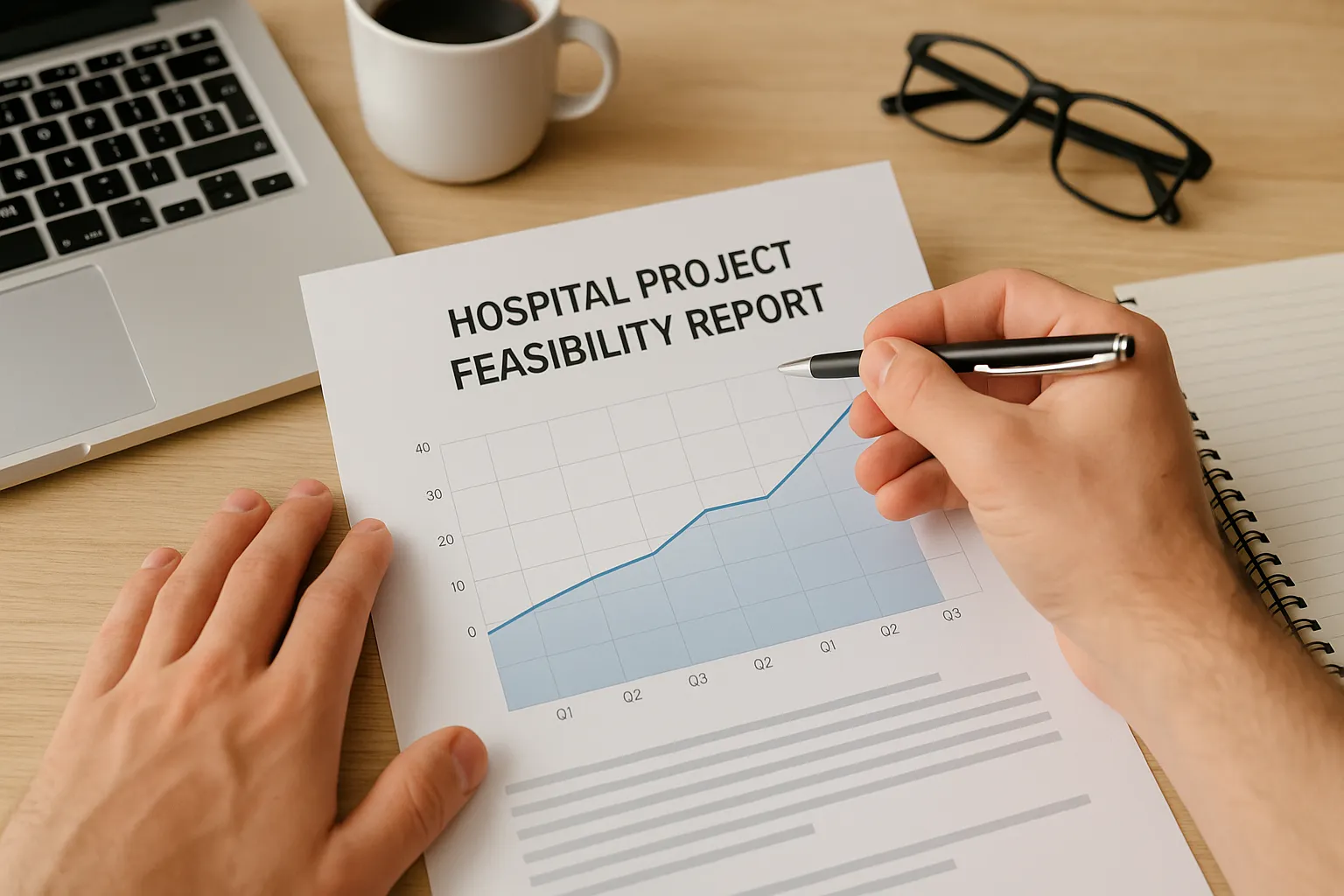

Step-by-Step Guide to Creating a Hospital Project Feasibility Report
So, you're thinking about building a hospital or expanding healthcare services in your community? That's amazing! But before you break ground or sign any contracts, you need something critical: a feasibility report. Think of it as your roadmap, your reality check, and your business case all rolled into one document.
A hospital project feasibility report isn't just paperwork that sits on a shelf collecting dust. It's a living document that tells you whether your healthcare project makes sense financially, operationally, and practically. Whether you're a healthcare administrator, an investor, or a community leader, understanding how to create this report can save you millions of dollars and years of headaches.
In this guide, I'm going to walk you through every single step of creating a comprehensive hospital project feasibility report. We'll cover everything from market analysis to financial projections, from site selection to regulatory requirements. By the end, you'll have a clear blueprint for developing a report that actually works.
What Exactly Is a Hospital Project Feasibility Report?
Let me start with the basics. A feasibility report is essentially a detailed study that examines whether your proposed hospital project is viable. It looks at every angle—financial, technical, operational, and legal—to determine if the project should move forward.
Think of it this way: you wouldn't build a house without checking if the land is stable, right? Same principle here. A feasibility report checks the "ground" your hospital will stand on, except that ground includes market demand, financial resources, regulatory approval, and much more.
This document serves multiple purposes. It helps you secure funding from banks or investors. It guides your planning and decision-making. It identifies potential problems before they become expensive disasters. And it gives stakeholders confidence that you've done your homework.
Why You Absolutely Need This Report
I can't stress this enough: skipping the feasibility report is like driving blindfolded. You might get lucky, but chances are you'll crash.
Healthcare projects are notoriously complex and expensive. We're talking about millions or even billions of dollars, complex regulations, specialized equipment, and most importantly, people's lives. A single miscalculation can lead to financial ruin or, worse, inadequate patient care.
Here's what a good feasibility report does for you:
- Identifies whether there's actual demand for your services in the target area
- Reveals potential competitors and market gaps you can fill
- Calculates realistic financial projections and break-even timelines
- Uncovers regulatory hurdles before they surprise you
- Helps you choose the best location and facility design
- Makes it easier to secure financing and partnerships
- Provides a clear go or no-go recommendation based on data
Step 1: Define Your Project Scope and Objectives
Before you dive into research and analysis, you need crystal-clear objectives. What exactly are you trying to build? A 50-bed community hospital? A specialized cardiac care center? A multi-specialty tertiary care facility?
Start by answering these fundamental questions:
What Services Will You Offer?
Be specific here. Don't just say "general hospital services." List out the departments and specialties you plan to include. Will you have an emergency department? Maternity services? Surgical suites? Diagnostic imaging? Outpatient clinics?
Your service mix directly impacts everything else in your feasibility study—your target market, your staffing needs, your equipment requirements, and your revenue projections.
Who Is Your Target Population?
Define the community you'll serve. Are you targeting urban residents, rural populations, or a specific demographic group? What's their age range, income level, and insurance coverage status?
Understanding your target population helps you tailor your services and predict demand patterns. A hospital serving elderly retirees will look very different from one serving young families.
What's Your Timeline?
Set realistic timelines for each project phase. When do you want to start construction? When should the facility open? What's your ramp-up period to full operations?
Hospital projects typically take 3-5 years from feasibility study to opening day, sometimes longer. Building in buffer time for delays is smart planning.
What Are Your Success Criteria?
How will you measure success? Is it patient volume? Financial returns? Community health outcomes? Quality ratings? Define these metrics upfront so you can evaluate your project against clear benchmarks.
Step 2: Conduct a Comprehensive Market Analysis
Now we're getting into the meat of your feasibility report. Market analysis tells you if there's actually a need for your hospital and who you're competing against.
Demographic Research
Start by gathering demographic data for your service area. Most hospitals draw patients from a 15-30 mile radius, though this varies based on services offered and competition.
Collect data on:
- Total population and population growth trends
- Age distribution (elderly populations need more healthcare)
- Income levels and poverty rates
- Insurance coverage rates (Medicare, Medicaid, private insurance, uninsured)
- Health status indicators and disease prevalence
- Employment patterns and major employers
You can find this information through census data, state health departments, and commercial demographic research firms.
Healthcare Utilization Patterns
Look at how people in your area currently use healthcare services. How many hospital admissions occur per year? What are the most common diagnoses? Where do people currently go for care?
This data helps you estimate demand for your services. If you know that 10,000 people in your area are hospitalized annually and they're currently traveling 50 miles to the nearest facility, that's a clear opportunity.
Competitive Analysis
Who else is providing healthcare in your area? Make a detailed list of:
- Existing hospitals and their bed counts
- Specialty care centers and clinics
- Urgent care facilities
- Physician practices
- Their services, strengths, and weaknesses
- Their reputation and market share
- Any planned expansions or new facilities
Don't just see competitors as threats. Understanding the competitive situation helps you find gaps in the market—services that are underserved or not available at all.
Market Demand Calculation
Here's where you crunch the numbers to estimate actual demand for your services. Use this basic formula:
Estimated Annual Admissions = Service Area Population × National/Regional Admission Rate per 1,000 × Market Share %
For example, if your service area has 100,000 people, the national admission rate is 100 per 1,000 people, and you expect to capture 30% market share, that's:
100,000 × 0.1 × 0.30 = 3,000 annual admissions
Do similar calculations for outpatient visits, emergency department visits, surgeries, and other key service lines.
Market Trends and Future Projections
Healthcare is constantly changing. Look at trends that might affect your project:
- Shift from inpatient to outpatient care
- Growth of telehealth services
- Changes in payment models and reimbursement
- Aging population and chronic disease management
- Technology advancements in medical care
- Healthcare policy changes
Project these trends forward 5-10 years. Your hospital needs to remain relevant not just at opening day, but for decades to come.
Step 3: Assess Technical and Operational Requirements
Once you know there's market demand, you need to figure out if you can actually deliver the services. This section covers the nuts and bolts of running a hospital.
Facility Requirements
How big does your hospital need to be? Calculate space requirements for:
- Inpatient beds (private rooms, semi-private, ICU)
- Operating rooms and surgical suites
- Emergency department bays
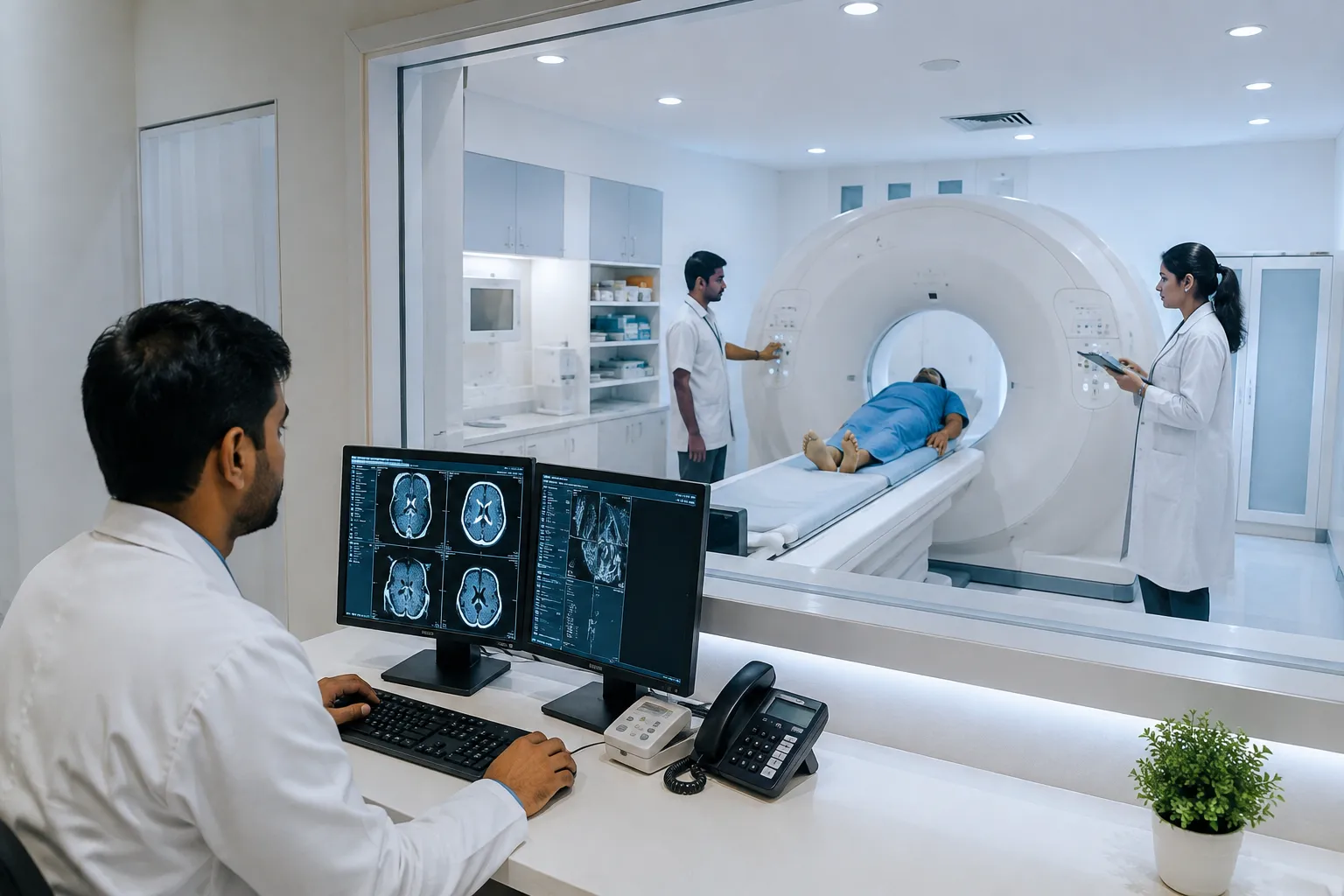
- Diagnostic imaging (X-ray, CT, MRI, ultrasound)
- Laboratory facilities
- Pharmacy
- Administrative offices
- Support services (dietary, housekeeping, maintenance)
- Parking and outdoor spaces
A general rule of thumb: plan for 800-1,200 square feet per bed, but this varies widely based on services offered and building design.
Medical Equipment and Technology
Make a comprehensive list of every piece of equipment you'll need, from hospital beds to MRI machines. Don't forget smaller items like monitors, infusion pumps, and crash carts.
For each major equipment category, research:
- Purchase costs or lease options
- Installation requirements
- Maintenance costs and service contracts
- Technology lifecycle and replacement timelines
- Training requirements for staff
Medical equipment represents a huge capital investment, often running into tens of millions of dollars for a full-service hospital. For detailed guidance on this process, check out our comprehensive guide on biomedical equipment procurement for new hospitals.
Staffing Requirements
Healthcare is a people business. You need to plan for adequate staffing across all departments and shifts.
Calculate staffing needs for:
- Physicians (employed and affiliated)
- Registered nurses and licensed practical nurses
- Nursing assistants and patient care technicians
- Allied health professionals (respiratory therapists, physical therapists, radiologic technologists)
- Pharmacists and pharmacy technicians
- Laboratory and pathology staff
- Administrative and clerical staff
- Support services (security, housekeeping, food service, maintenance)
For each position, estimate the number of full-time equivalents (FTEs) needed, average salaries, and benefit costs. Don't forget about recruitment expenses and ongoing training costs.
Supply Chain and Vendors
Hospitals go through enormous amounts of supplies daily. You need reliable vendors for:
- Medical and surgical supplies
- Pharmaceuticals
- Food services
- Linens and laundry
- Information technology systems
- Utilities and building maintenance
Research potential vendors, negotiate preliminary pricing, and understand supply chain risks. A shortage of critical supplies can shut down operations. When evaluating vendors, understanding the difference between working with vendors versus consultants can save you significant time and money.
Technology Infrastructure
Modern hospitals run on technology. Plan for:
- Electronic health records (EHR) system
- Practice management and billing software
- Picture archiving and communication system (PACS) for imaging
- Laboratory information system
- Pharmacy management system
- Cybersecurity measures
- Telehealth capabilities
- Network infrastructure and internet connectivity
Budget not just for initial software licenses and hardware, but for ongoing IT support, upgrades, and cybersecurity. Our article on PACS, EMR, and HIS systems provides detailed insights into selecting the right healthcare technology stack.
Let’s Build Your Dream Hospital
Whether you’re planning a new hospital, expanding an existing facility, or upgrading your healthcare technology, Actiss Healthcare is here to guide you every step of the way. Let us help you turn your vision into reality. Contact us today for a free consultation & learn more about our services and how we can support your next healthcare project.

Step 4: Select and Evaluate Potential Sites
Location can make or break your hospital project. The right site provides access for patients, staff, and emergency vehicles while meeting all regulatory requirements.
Site Selection Criteria
Evaluate potential sites based on these factors:
- Geographic accessibility to target population
- Proximity to major roads and highways
- Visibility and ease of wayfinding
- Adequate land size (typically 20-50 acres for a hospital)
- Topography and soil conditions for building
- Utility availability (water, sewer, electricity, gas)
- Zoning and land use compatibility
- Environmental considerations
- Expansion potential for future growth
- Cost and availability
For a deeper dive into location strategy, our detailed guide on choosing the right location for your hospital covers all the critical factors you need to consider.
Accessibility Analysis
Map drive times from various neighborhoods in your service area. Your hospital should be accessible within 30 minutes for most patients, ideally less for emergency services.
Consider public transportation access too. Not all patients drive, especially elderly or low-income populations.
Environmental and Geotechnical Studies
Before committing to a site, conduct thorough studies:
- Phase I environmental assessment to identify contamination
- Soil testing and geotechnical analysis
- Wetlands delineation
- Flood zone determination
- Traffic impact study
These studies can reveal deal-breaking issues like unstable soil, contamination requiring expensive remediation, or traffic patterns that make the site impractical.
Site Comparison Matrix
Create a scoring matrix to objectively compare multiple sites. Rate each site on all your criteria, weigh the factors by importance, and calculate total scores.
| Criteria | Weight | Site A Score | Site B Score | Site C Score |
|---|---|---|---|---|
| Accessibility | 25% | 8/10 | 9/10 | 6/10 |
| Size and Configuration | 20% | 7/10 | 8/10 | 9/10 |
| Utilities Available | 15% | 9/10 | 7/10 | 8/10 |
| Zoning/Regulatory | 15% | 8/10 | 6/10 | 9/10 |
| Cost | 15% | 6/10 | 7/10 | 8/10 |
| Expansion Potential | 10% | 9/10 | 8/10 | 7/10 |
This approach removes emotion from the decision and provides documentation for stakeholders.
Step 5: Identify Regulatory and Legal Requirements
Healthcare is one of the most regulated industries on the planet. You need to understand and plan for all regulatory requirements before starting your project.
Licensing and Certification
Research what licenses and certifications your hospital needs:
- State hospital license
- Medicare and Medicaid certification
- Certificate of Need (CON) if required in your state
- DEA registration for controlled substances
- Clinical Laboratory Improvement Amendments (CLIA) certification
- Accreditation from The Joint Commission or similar organization
- Individual professional licenses for all clinical staff
Each of these has specific requirements, application processes, and timelines. Some can take months or even years to obtain. If you're planning a hospital in India, our comprehensive guide on licenses required to start a hospital covers all the regulatory requirements you'll need to navigate.
Certificate of Need Programs
Many states require a Certificate of Need before you can build or expand healthcare facilities. This regulatory approval proves that your community needs the services you're proposing.
The CON application process involves:
- Demonstrating community need
- Showing financial feasibility
- Proving you can maintain quality standards
- Public hearings and comment periods
- Potential challenges from competitors
If your state requires CON, factor this into your timeline. The process typically takes 6-18 months.
Building Codes and Life Safety Requirements
Hospitals must meet strict building codes and life safety standards. Key regulations include:
- National Fire Protection Association (NFPA) 101 Life Safety Code
- NFPA 99 Health Care Facilities Code
- Americans with Disabilities Act (ADA) requirements
- State and local building codes
- Seismic safety requirements in earthquake-prone areas
These standards affect everything from corridor widths to fire suppression systems to emergency power requirements. Our guide on hospital fire safety compliance provides detailed information on meeting these critical requirements.
Environmental Regulations
Hospitals generate medical waste, use hazardous materials, and discharge wastewater. You need plans for:
- Medical waste disposal and treatment
- Hazardous materials handling and storage
- Air emissions from generators and incinerators
- Wastewater treatment
- Environmental impact assessments
Healthcare-Specific Regulations
Don't forget regulations specific to healthcare operations:
- HIPAA privacy and security rules
- EMTALA emergency treatment requirements
- Stark Law and Anti-Kickback Statute compliance
- Medicare Conditions of Participation
- State scope of practice laws
- Infection control standards
Legal Structure and Governance
Determine your hospital's legal structure:
- Non-profit 501(c)(3) organization
- For-profit corporation
- Public/government-owned facility
- Partnership or joint venture
Each structure has different tax implications, governance requirements, and access to funding sources. To understand different operational models, explore our article on understanding hospital business models.
Step 6: Develop Detailed Financial Projections
Now we get to the numbers that make or break your project. Financial analysis shows whether your hospital can survive and thrive economically.
Capital Cost Estimate
Start by calculating your total upfront investment. Break it down into categories:
Land and Site Development
- Land purchase or lease
- Site preparation and grading
- Utilities extension
- Roads and parking lots
- Landscaping
Building Construction
- Architectural and engineering fees
- Construction costs (typically $300-600 per square foot for hospitals)
- Built-in medical equipment and systems
- Interior finishes and furnishings
Equipment and Technology
- Medical equipment
- Information technology systems
- Furniture and fixtures
- Initial inventory of supplies
Soft Costs
- Legal and regulatory fees
- Consulting fees
- Marketing and pre-opening expenses
- Staff recruitment and training
- Interest during construction
- Contingency (typically 5-10% of total budget)
For a 100-bed community hospital, expect total capital costs in the range of $150-300 million, depending on location and scope. To avoid costly financial missteps, read our guide on avoiding hospital budget mistakes.
Operating Revenue Projections
Estimate your annual revenue from all sources:
Patient Service Revenue
Calculate revenue by service line:
- Inpatient admissions (average revenue per admission × projected admissions)
- Outpatient visits (average revenue per visit × projected visits)
- Emergency department (average revenue per visit × projected visits)
- Surgical procedures (average revenue per case × projected cases)
- Diagnostic services (imaging, lab tests)
Remember to account for payer mix—Medicare typically reimburses 80-90% of costs, Medicaid even less, while commercial insurance might pay 130-150% of costs.
Other Operating Revenue
- Clinic and physician practice revenue
- Cafeteria and gift shop sales
- Parking fees
- Rental income
Non-Operating Revenue
- Investment income
- Donations and grants
- Government subsidies (for public hospitals)
Operating Expense Projections
Now estimate your annual operating costs:
Labor Costs
This is typically your largest expense category, often 50-60% of total operating expenses:
- Salaries and wages for all positions
- Benefits (health insurance, retirement, paid time off)
- Payroll taxes
- Contract labor and locum tenens physicians
- Continuing education and training
Supplies and Pharmaceuticals
- Medical and surgical supplies
- Pharmacy costs
- Dietary and food service supplies
- Office supplies
- Housekeeping and maintenance supplies
Purchased Services
- Physician contract services
- IT support and software licenses
- Laundry and linen service
- Dietary services (if contracted)
- Security services
- Waste disposal
- Legal and accounting fees
Facility and Equipment Costs
- Utilities (electricity, water, gas)
- Building maintenance and repairs
- Equipment maintenance and service contracts
- Property and liability insurance
- Depreciation and amortization
- Lease payments (if applicable)
Other Operating Expenses
- Marketing and community outreach
- Bad debt and charity care
- Interest on loans
- Administrative overhead
Multi-Year Financial Projections
Create detailed financial projections for at least 5-10 years. In your first few years, expect lower patient volumes as you build your reputation and market presence.
A typical ramp-up schedule might be:
- Year 1: 40-50% of projected capacity
- Year 2: 60-70% of projected capacity
- Year 3: 80-85% of projected capacity
- Year 4: 90-95% of projected capacity
- Year 5+: Full projected capacity
Key Financial Metrics
Calculate these important metrics to assess financial viability:
Break-Even Analysis
When will your hospital start making money? Calculate your break-even point in terms of patient volume and years of operation.
Operating Margin
Operating Margin = (Operating Revenue - Operating Expenses) / Operating Revenue
A healthy hospital typically maintains operating margins of 2-5%.
Days Cash on Hand
How long can you operate if revenue stopped completely? Calculate:
Days Cash on Hand = (Cash + Investments) / (Operating Expenses / 365)
Aim for at least 60-90 days cash on hand, though 150+ days is better.
Debt Service Coverage Ratio
If you're borrowing money, lenders want to see that you can cover debt payments:
Debt Service Coverage Ratio = Net Operating Income / Annual Debt Service
Lenders typically require a ratio of 1.2 or higher.
Return on Investment (ROI)
For for-profit hospitals, calculate expected ROI:
ROI = (Net Profit / Total Investment) × 100
To understand the financial returns for doctor-owned facilities, check out our analysis on understanding ROI in doctor-owned hospitals.
Sensitivity Analysis
What happens if your assumptions are wrong? Test different scenarios:
- Best case: Higher than expected patient volumes
- Base case: Your most realistic projections
- Worst case: Lower volumes, higher costs, or reimbursement cuts
Understanding these scenarios helps you plan for contingencies and assess risk tolerance.
Step 7: Identify Funding Sources and Financial Strategy
You've calculated how much money you need. Now figure out where it's coming from.
Equity Funding
This is money that doesn't need to be repaid:
- Owner or investor capital contributions
- Donations and philanthropic gifts
- Government grants
- Foundation grants
- Community fundraising campaigns
Non-profit hospitals often raise significant equity through capital campaigns targeting wealthy donors and community members.
Debt Financing
Most hospitals require substantial borrowing:
- Bank loans and term financing
- Tax-exempt bonds (for non-profit hospitals)
- USDA rural development loans (for rural hospitals)
- SBA 504 loans (for smaller projects)
- Equipment leasing and financing
Interest rates and terms vary widely based on your creditworthiness, project risk, and market conditions. For a detailed comparison of funding options, our article on equity versus debt financing options for doctors provides valuable guidance.
Public-Private Partnerships
Some hospital projects use creative partnership structures:
- Joint ventures with existing health systems
- Management agreements
- Ground leases with developer partners
- Government support for private operations
Funding Timeline and Milestones
Create a detailed funding timeline showing when you need money for each project phase. Breaking funding into stages reduces risk and makes it easier to secure financing.
Let’s Build Your Dream Hospital
Whether you’re planning a new hospital, expanding an existing facility, or upgrading your healthcare technology, Actiss Healthcare is here to guide you every step of the way. Let us help you turn your vision into reality. Contact us today for a free consultation & learn more about our services and how we can support your next healthcare project.
Step 8: Develop an Implementation Timeline
Your feasibility report needs a realistic timeline from start to finish. Hospital projects are marathons, not sprints.
Pre-Development Phase (6-18 months)
- Complete feasibility study
- Secure site control (option or purchase)
- Obtain Certificate of Need (if required)
- Form legal entity and governance structure
- Secure initial funding commitments
- Select architect and design team
Design and Planning Phase (12-18 months)
- Schematic design
- Design development
- Construction documents
- Building permit applications
- Final site approvals
- Bidding and contractor selection
- Close on financing
This phase is critical for avoiding common pitfalls. Our article on the 13 most common hospital design mistakes can help you avoid expensive errors during planning.
Construction Phase (18-30 months)
- Site preparation and foundation
- Building shell and structure
- Mechanical, electrical, and plumbing systems
- Interior finishes
- Equipment installation
- Final inspections and approvals
- Certificate of occupancy
Construction delays are common in healthcare projects. Learn about common causes and solutions for construction delays to keep your project on track.
Pre-Opening Phase (6-12 months)
- Staff recruitment and hiring
- Staff training and orientation
- IT system implementation
- Policies and procedures development
- Licensing and accreditation surveys
- Supply chain setup
- Marketing and community outreach
- Mock drills and operational testing
Before opening your doors, use our hospital commissioning checklist to ensure all systems are ready for patient care.
Opening and Ramp-Up Phase (12-24 months)
- Grand opening and community events
- Initial patient services
- Physician recruitment and credentialing
- Service line expansion
- Quality improvement initiatives
- Financial monitoring and adjustments
Total timeline from feasibility study to full operations: 4-7 years on average.
Step 9: Assess Risks and Mitigation Strategies
Every project has risks. Your feasibility report should identify them honestly and propose ways to manage them.
Market Risks
What if demand is lower than projected?
Mitigation strategies:
- Conservative volume projections
- Flexible facility design for different uses
- Phased development approach
- Partnerships with referring physicians
- Strong marketing and community engagement
Financial Risks
What if costs are higher or revenues lower than expected?
Mitigation strategies:
- Adequate contingency in capital budget
- Fixed-price construction contracts where possible
- Conservative financial projections
- Diverse revenue streams
- Strong working capital reserves
Regulatory Risks
What if approvals are delayed or denied?
Mitigation strategies:
- Early engagement with regulatory agencies
- Experienced regulatory consultants
- Contingent site control agreements
- Alternative project scenarios
- Political and community support building
Construction Risks
What if construction takes longer or costs more?
Mitigation strategies:
- Experienced construction management team
- Thorough site due diligence
- Detailed construction documents
- Weather delays built into schedule
- Payment and performance bonds
Operational Risks
What if you can't recruit staff or achieve quality standards?
Mitigation strategies:
- Early recruitment efforts
- Competitive compensation packages
- Partnerships with medical schools and training programs
- Quality improvement programs from day one
- Strong leadership team with hospital operations experience
Technology Risks
What if technology doesn't work or becomes obsolete?
Mitigation strategies:
- Proven technology vendors
- Adequate implementation timelines
- Comprehensive staff training
- Ongoing IT support budget
- Flexible infrastructure for future upgrades
Step 10: Draw Conclusions and Recommendations
After all your research and analysis, you need to make a call: should this project move forward or not?
Summarize Key Findings
Briefly recap the most important findings from each section of your report:
- Market demand exists and is quantifiable
- Services proposed fill gaps in current healthcare availability
- Site is suitable and available
- Technical and operational requirements are achievable
- Regulatory approvals are obtainable
- Financial projections show viability
- Funding sources are identified and accessible
- Risks are manageable
Make a Clear Recommendation
Don't be wishy-washy. Based on your analysis, provide one of these recommendations:
Proceed as Planned
All indicators are positive. The project is feasible and should move forward to the next development phase.
Proceed with Modifications
The project is feasible but needs changes. Be specific about what should change—maybe reduce the size, eliminate certain services, or find a different site.
Delay and Reassess
Conditions aren't right now, but might improve. Specify what needs to change and when to revisit the feasibility study.
Do Not Proceed
The project is not feasible. Explain clearly why and what alternatives might make more sense.
Outline Next Steps
If recommending the project proceed, detail the immediate next steps:
- Secure site control
- Initiate regulatory applications
- Assemble project team
- Begin fundraising or financing process
- Start schematic design
- Establish governance structure
Provide specific timelines and responsible parties for each action item.
Best Practices for an Effective Feasibility Report
As you put together your report, keep these tips in mind:
Use Professional Standards
Follow established guidelines from organizations like the Healthcare Financial Management Association (HFMA) or the American Hospital Association (AHA).
Be Objective and Realistic
Don't let enthusiasm override facts. Stakeholders need honest assessment, not cheerleading. It's better to kill a bad project early than to watch it fail after millions are invested.
Document Your Sources
Every statistic, every assumption, every projection should be backed up with credible sources. This builds confidence and allows others to verify your work.
Make It Readable
Use clear language, helpful visuals, and logical organization. Not everyone reading your report will have a healthcare background.
Include an Executive Summary
Busy executives need a 2-3 page summary highlighting the key findings and recommendations. Put this at the beginning of your report.
Get Expert Help
Unless you're highly experienced in healthcare feasibility studies, bring in consultants with specialized expertise. The investment pays for itself by avoiding costly mistakes. Learn more about when to hire a hospital project consultant and how they can add value to your project.
Update Regularly
Healthcare and markets change quickly. If significant time passes between your feasibility study and project implementation, update your analysis with current data.
Common Mistakes to Avoid
Learn from others' errors:
Overly Optimistic Projections
The most common mistake is assuming everything will go perfectly. Patient volumes will exceed expectations, costs will stay under budget, and there will be no delays. Wrong. Build in realistic assumptions and worst-case scenarios.
Ignoring Competition
Just because you build it doesn't mean patients will come. Established hospitals have brand loyalty, physician relationships, and marketing budgets. Don't underestimate how hard it is to capture market share.
Underestimating Capital Costs
Construction always costs more than you think. Medical equipment prices shock people unfamiliar with healthcare. Add that 10% contingency and then hope you don't need it.
Forgetting About Working Capital
You need cash to operate for months before insurance payments start flowing. Many hospitals fail not because they can't make money eventually, but because they run out of cash first. Understanding CAPEX versus OPEX in healthcare projects is essential for proper financial planning.
Skipping the Regulatory Research
Discovering halfway through that you need a Certificate of Need that takes 18 months and might be denied is a disaster. Do regulatory homework upfront.
Making It Too Short or Too Long
A feasibility report should be thorough but focused. Too short and you miss critical issues. Too long and no one reads it. Aim for 50-100 pages for the main report, with detailed appendices for supporting data.
Tools and Resources
Here are helpful resources for developing your feasibility study:
Data Sources
- U.S. Census Bureau for demographic data
- Centers for Medicare and Medicaid Services (CMS) for healthcare utilization data
- State health departments for certificate of need and licensing requirements
- American Hospital Association for industry benchmarks
- Healthcare Cost Report Information System (HCRIS) for hospital financial data
- Area Health Resources Files (AHRF) for healthcare workforce data
Professional Consultants
Consider hiring specialists in:
- Healthcare market analysis
- Hospital architecture and planning
- Healthcare financial modeling
- Regulatory and certificate of need consulting
- Healthcare real estate
- Medical equipment planning
If you're looking for comprehensive support throughout your project, explore professional hospital project consultancy services that can guide you through each phase of development.
Software Tools
- Excel or financial modeling software for projections
- GIS mapping tools for site and market analysis
- Project management software for timeline planning
- Business intelligence tools for data analysis
Real-World Example
Let me walk you through a simplified example to bring this all together.
A rural county with 50,000 residents currently has no hospital. Residents must drive 45 minutes to the nearest emergency room. A local physician group wants to develop a 25-bed critical access hospital with emergency services, basic surgery, and diagnostic imaging.
Their feasibility study found:
- Market analysis showed approximately 1,200 annual admissions from the service area going to distant hospitals
- With a 40% capture rate, the new hospital could expect 480 admissions in year one, ramping to 600 by year three
- Emergency department volume projected at 8,000-10,000 visits annually
- Total capital cost estimated at $45 million
- Critical access hospital designation provides favorable Medicare reimbursement
- USDA rural development loans available at favorable rates
- Financial projections showed break-even by year three
- Local community pledged $5 million in donations
Based on this analysis, the feasibility study recommended proceeding. The hospital opened three years later and now serves as a vital community resource. For doctors considering similar ventures, our guide on how doctors can start their own hospital provides practical steps and considerations.
Final Thoughts on Your Feasibility Journey
Creating a hospital project feasibility report is a massive undertaking, but it's absolutely essential for project success. The time and money you invest upfront in thorough feasibility analysis will save you exponentially more down the road.
Remember, the goal isn't just to produce a document. The goal is to make an informed decision about whether to proceed with a project that will impact your community for generations.
Take your time. Do thorough research. Get expert help where needed. Be honest about challenges and risks. And most importantly, let the data guide your decisions, not wishful thinking.
Whether your feasibility study leads to a recommendation to proceed or not, you've done valuable work. A well-executed feasibility study that prevents a bad project from moving forward is just as valuable as one that green-lights a successful hospital.
Your community deserves quality healthcare delivered by financially stable institutions. A comprehensive feasibility report is your first step toward making that happen.
Let’s Build Your Dream Hospital
Whether you’re planning a new hospital, expanding an existing facility, or upgrading your healthcare technology, Actiss Healthcare is here to guide you every step of the way. Let us help you turn your vision into reality. Contact us today for a free consultation & learn more about our services and how we can support your next healthcare project.
Conclusion
A hospital project feasibility report is your roadmap for turning healthcare vision into reality. By following this step-by-step guide, you'll create a document that thoroughly examines market demand, technical requirements, regulatory hurdles, and financial viability.
We've covered everything from defining your project scope to making final recommendations. You now understand how to conduct market analysis, evaluate potential sites, calculate financial projections, identify funding sources, and assess risks. Each step builds on the previous one to create a comprehensive picture of whether your hospital project makes sense.
Remember that a feasibility report serves multiple audiences—investors, lenders, regulators, and community stakeholders—so clarity and thoroughness are paramount. Don't rush the process. Take time to gather accurate data, consult with experts, and test your assumptions through sensitivity analysis.
The healthcare sector needs more well-planned facilities that serve communities effectively while maintaining financial stability. Your careful feasibility work today sets the foundation for a successful hospital that will serve patients for decades to come.
Whether you're a healthcare administrator, investor, community leader, or consultant, the principles and steps outlined here will guide you toward making informed decisions about hospital development. Now it's time to take what you've learned and apply it to your specific project.
Frequently Asked Questions
How long does it typically take to complete a hospital feasibility report?
A comprehensive hospital feasibility report usually takes 3-6 months to complete properly. This timeline includes data collection, market analysis, site evaluation, financial modeling, and report writing. Simple projects might be completed in 2-3 months, while complex multi-specialty hospitals could take 6-9 months. Rushing the process often leads to overlooked issues that become expensive problems later. If you need regulatory approval like a Certificate of Need, factor in an additional 6-18 months for that process after completing your feasibility study.
How much does a professional feasibility study cost?
Professional feasibility studies for hospital projects typically cost between $50,000 and $250,000, depending on project complexity and scope. A small rural clinic might need a $30,000-50,000 study, while a large multi-specialty hospital could require $200,000-300,000 or more. This investment usually includes market research, financial modeling, regulatory analysis, and site evaluation. While this seems expensive, it's a tiny fraction of your total project cost and can save millions by identifying problems before construction begins. Many organizations try to save money by doing studies in-house but end up with incomplete analysis that misses critical issues.
What's the difference between a feasibility study and a business plan?
A feasibility study answers the question "Should we do this project?" while a business plan answers "How will we do this project?" The feasibility study comes first and objectively examines whether a project is viable from market, technical, regulatory, and financial perspectives. It might conclude the project shouldn't proceed. A business plan assumes the project will proceed and details the operational strategy, management structure, marketing plan, and implementation timeline. Think of the feasibility study as your go or no-go decision tool, while the business plan is your operational roadmap. Most successful hospital projects need both documents at different stages of development.
Can I use the same feasibility report if I change locations or delay the project?
No, you'll need to update your feasibility report for significant changes. If you change locations, the entire market analysis, site evaluation, and accessibility assessment need redoing since these are location-specific. If you delay the project by more than a year, update your market data, competitive analysis, and financial projections because healthcare markets change rapidly. New competitors emerge, demographics shift, regulations change, and reimbursement rates fluctuate. A two-year-old feasibility study is essentially outdated. Even if the basic project concept remains the same, verify all key assumptions with current data before proceeding. Many failed hospital projects relied on outdated feasibility studies that no longer reflected market reality.
What are the biggest red flags that indicate a hospital project won't succeed?
Several warning signs suggest a hospital project is heading for failure. First, inadequate market demand—if current utilization data doesn't support your projected volumes, stop there. Second, inability to recruit physicians—hospitals need doctors to admit patients, and if specialists won't commit to your facility, patients won't come. Third, insufficient capital or unrealistic financing expectations—hospitals cost far more than most people anticipate. Fourth, ignoring strong competition from established hospitals with brand loyalty. Fifth, regulatory barriers like Certificate of Need denial or zoning problems. Sixth, poor site selection with access issues. And finally, overly optimistic financial projections with no sensitivity analysis. If multiple red flags appear, seriously reconsider whether to proceed. For comprehensive guidance on avoiding these and other critical errors, review our article on the top 27 critical mistakes to avoid when building a hospital.